
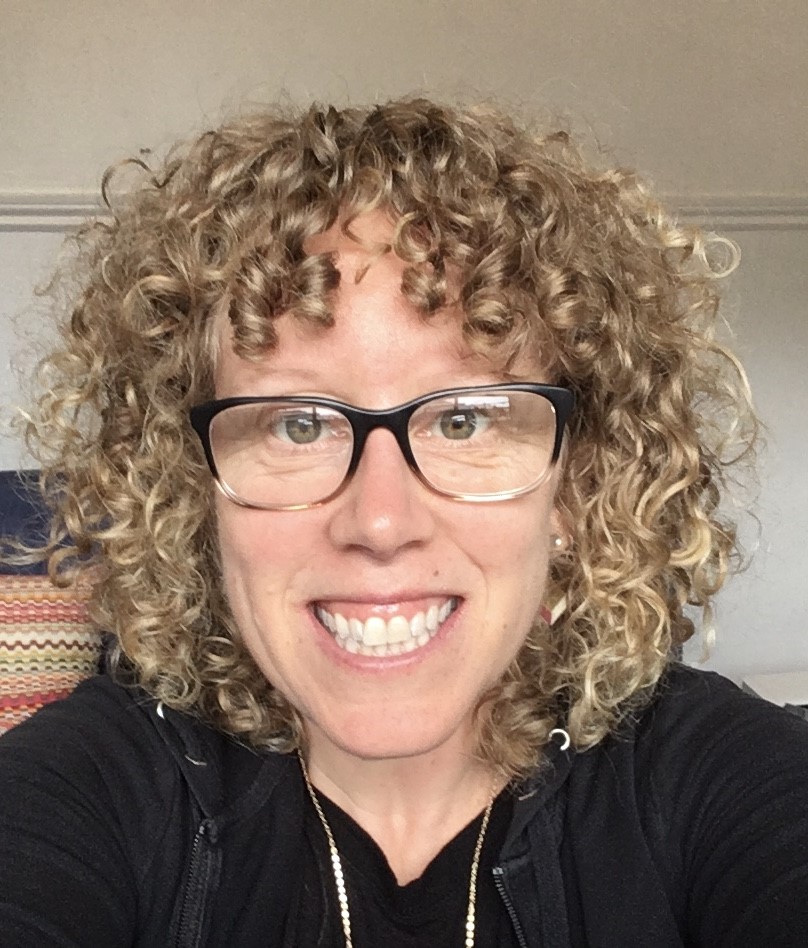
Tanya Aberman, York University, Canada, is the Sanctuary Scholar program coordinator at York University and now also at Toronto Metropolitan University. Tanya specialises in the area of access to education, having collaborated on several research projects, as well as developed, coordinated and taught community and university-based education programs for newcomer and migrant students.

Sally Baker is an Associate Professor, Migration and Education at the Australian National University, and an adjunct Associate Professor in the School of Education at the University of New South Wales (Australia). She is a co-convenor of the Forced Migration Research Network (FMRN@UNSW) and is the founder and a Co-Chair of the Refugee Education Special Interest Group (RESIG). Sally is also a member of the Global Task Force on Third Country Educational Pathways.

Natalia Taylor Bowdoin is an Associate Professor and Librarian at the University of South Carolina Aiken (United States). She served previously as a health educator and adult literacy coordinator for the United States Peace Corps in the Central African Republic (CAR) and as a Country Specialist on CAR for the human rights organisation, Amnesty International USA. She earned her MA in Language, Reading, and Culture from the University of Arizona (U.S) and
her MLS with graduate certification in African Studies from Indiana University (U.S). Her past research focused on the information needs, information seeking behavior, and lived experiences of resettled refugees from the Central African Republic (CAR) living in the United States. Natalia’s current research is focused on Community-Based Participatory Research (CBPR) on access to education and lived experiences of resettled refugee youth in the southeastern United
States.

Marcela Gola Boutros is an ESRC-funded doctoral researcher in the Centre for International Education at the University of Sussex. Through a decolonial lens, her research explores the lived experiences of forcibly displaced people in Brazilian higher education. As a PhD scholar, she gained valuable experience through a placement with UNHCR Brazil, where she supported the Sergio Vieira de Mello Academic Chair. Moreover, Marcela worked as a postgraduate research assistant evaluating the UK Schools of Sanctuary programme.

Asli Ikizoglu Erensu is currently teaching at the Sabancı University Faculty of Arts and Social Sciences (Istanbul). She holds a PhD in Geography, Environment and Society from the University of Minnesota. She is broadly interested in regimes of mobility and politics of humanitarianism, and specifically has worked on (i) how refugees are constituted as subjects of intervention at the intersection of the two, and (ii) how the experience of asylum is locally produced in Turkish cities.
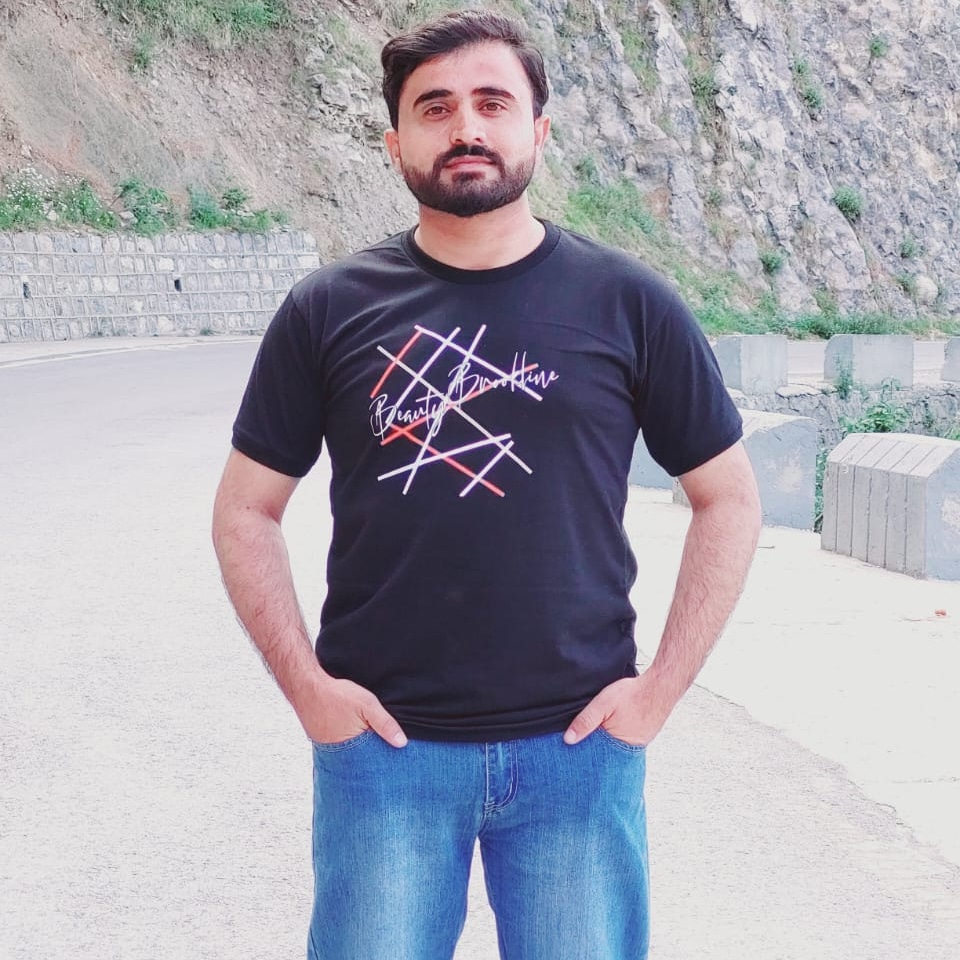
Waris Khan graduated from Iqra National University, Pakistan with a BA Business Administration and currently studies MA Business Administration with the Institute of Management Sciences, Peshawar. Waris completed a three-month training on refugee studies and forced migration at the University of Oxford, in addition to refugee advocacy and public speaking training from UNHCR.

Ayuk Peterkings is a Cameroonian refugee living in Adagom refugee settlement, Nigeria. He has completed an MA Accounting, refugee and forced migration studies at Oxford university through the RSC pathway. President of Help the less Privilege Association (an association of refugees with focus on Education and livelihood). He works with SOREX-NIGERIA as the social entrepreneurship facilitator. Ayuk is committed, creative and passionate about making lasting solutions for children and youth entitled to an education in emergencies.
Cheri Nibaruta is studying MA Food Safety and Food Risk Management at the University of Parma, Italy. He lived for 10 years in Tanzania then Malawi as a refugee and is keen to engage in opportunities to contribute to research on displacement. In 2019, Cheri represented young refugees at World Refugee Day in Berlin and has also contributed to a workshop on the Refugee Compact in Malawi.

Linda Morrice, University of Sussex, UK is Professor of Education and Migration. She has led and collaborated on research projects on refugee education and integration in both the Global North and Global South and has published widely in the field. Linda is co-director of the Centre for International Education research at the University of Sussex.

Rebecca Murray is a Lecturer in Sociological Studies at the University of Sheffield (UK) and sits on her institutional and the national University of Sanctuary steering committee. Rebecca’s extensive practice and research in relation to bordering and post compulsory education has been developed and delivered in partnership with young migrant-led grassroots campaigning and advocacy initiatives.

Daniel Mutanda is a School for Public Health Research Predoctoral Fellow based at the University of Exeter, working on health inequalities and environmental health research. He is a member of Student Action for Refugees (STAR’s) Equal Access Activist group, and a Tertiary Refugee Student Network Sub-Regional Leader for Europe, campaigning for increased access to higher education, building networks of and communicating learnings from displaced higher education students around the world.

Hiba Saleem is a Research Fellow (University of Oxford) focusing on education in contexts of forced displacement. She received her PhD in Education from the University of Cambridge, through which she studied Syrian refugee students’ well-being in schools in Jordan.
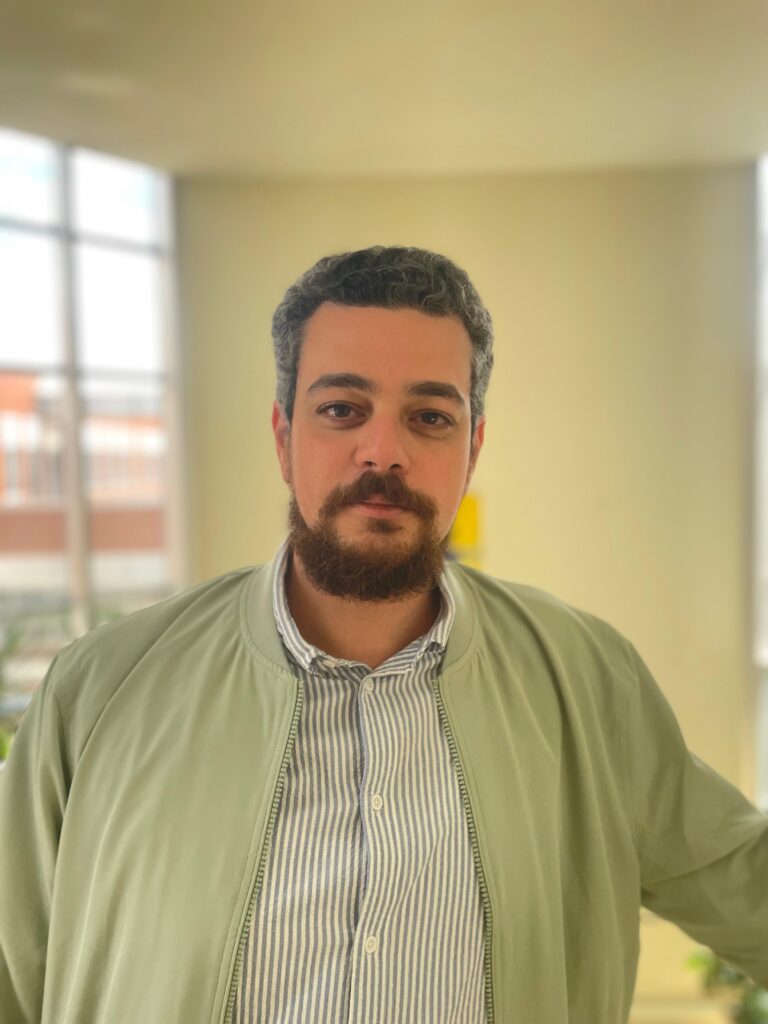
Samer Sharani is a Ph.D. candidate in Political Sciences and International Relations at Sabanci University, Istanbul, Turkey. His research focuses on (agonistic) peacebuilding and refugee studies. He approaches these topics from the perspectives of ontological security and place-home. He studies Syrian refugees living in Europe and Turkey, investigating specifically how they are engaged in home-making, home-imagination, and home return.
Janaina Fernandez Santos, Sanctuary Students Solidarity & Support Collective (S4), Canada. S4 Collective is a member-led organisation that strives to support migrant students with accessing and succeeding in secondary and post-secondary education and works with institutions to increase equitable access for these students.
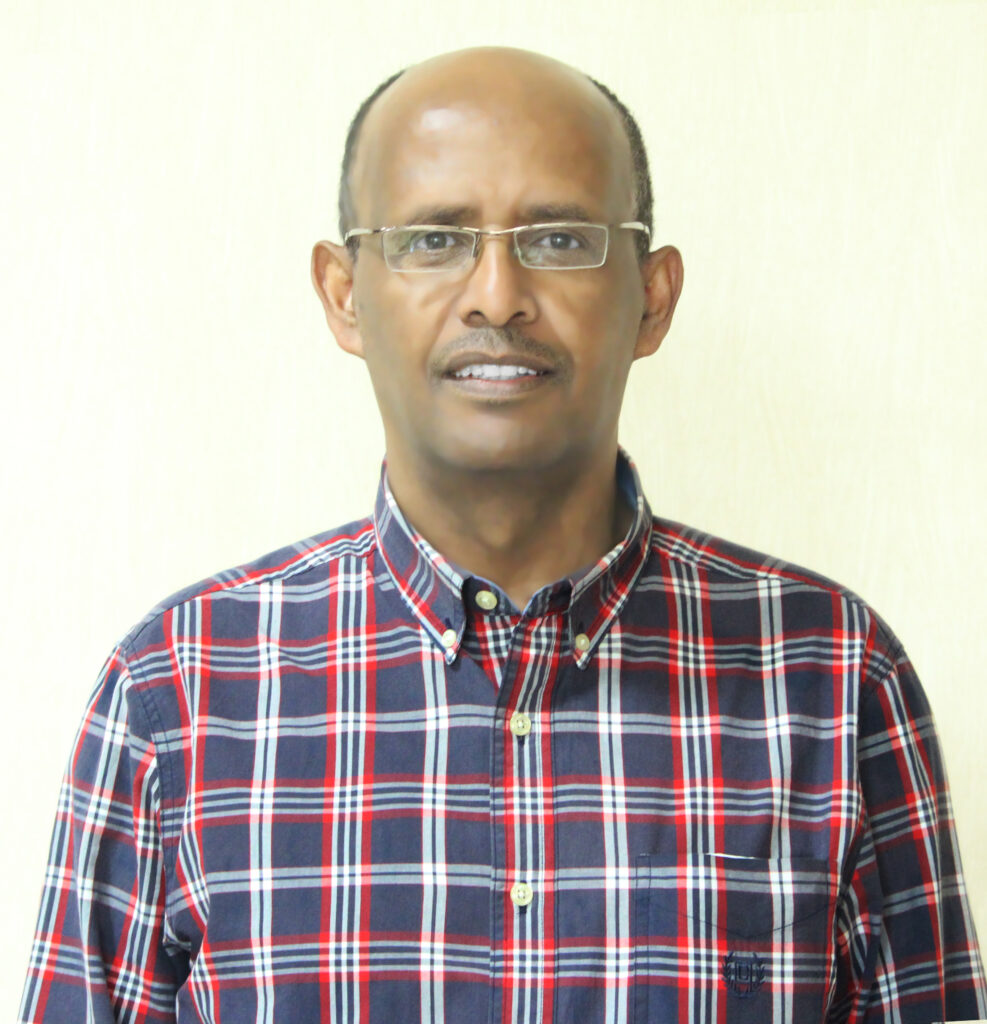
Wondwosen Tamarat is associate professor and President of St. Mary’s University (SMU) in Ethiopia. He has a PhD in Higher Education from the University of KwaZulu Natal, South Africa. He has taught at tertiary level for more than two decades. He is strongly committed to the revitalization of the African higher education sector which is reflected in his writings and responsibilities at continental and global levels. He is an affiliate scholar of the Program for Research on Private Higher Education headquartered at the State University of New York at Albany, US, a board member of the International Network for Quality Assurance Agencies in Higher Education (INQAAHE) and coordinator of the sub-cluster for private higher education in Africa under the African Union’s higher education cluster of the Continental Education Strategy for Africa (CESA).

Paloma E. Villegas is a Mexican researcher who currently works at California State University, San Bernardino as associate professor (Sociology). Her research focuses on the intersection of Migration, Citizenship, Borders, Race, and Gender and she has written about access to higher education education for precarious status migrant students in Canada and the U.S.

Kari Diener, Executive Director for the Refugee Self Reliance Initiative (RSRI), Kari provides overall leadership for the multi-stakeholder network of over 350 organizations, promoting opportunities for refugees around the world to become self-reliant via the promotion of effective policies, research and practice. Before RSRI, she served as Country Director and Director of Programs for Mercy Corps in Jordan and as Mercy Corps’ Deputy Director for Policy and Advocacy, focusing on refugee emergencies and aid reform. Her previous roles include senior positions with CHF International in the Palestinian Territories and South Sudan, and as a researcher with the Institute for the Study of International Migration at Georgetown University. Kari has published articles in Refugee Survey Quarterly, The Christian Science Monitor and The Hill, among other publications. She is a contributing author to The Uprooted, Improving Responses to Forced Migration. Kari is an affiliated scholar at Georgetown University’s Institute for the Study of International Migration and member of the Editorial Board for Refugee Survey Quarterly. She is an advanced Arabic speaker (modern standard and colloquial Levantine) and conversant in Turkish.
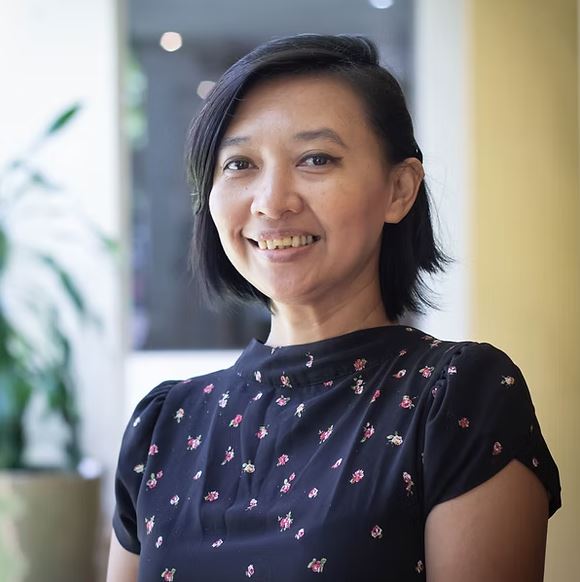
Zahnur Rofiah is an English Composition and Social Sciences Research Skills instructor at Parami University and an academic coordinator for a non-government organisation supporting Rohingya students accessing higher education. She earned her MA from University College London in Education and International Development. Her past research looked into Rohingya youth education interests and challenges, and her current study investigates young people’s perception of democracy in an authoritarian context. She is also an associated researcher at Berlin Democracy Institute.

Dr. Indraswari is the Chair of the Children, Social Welfare, and Health Cluster at the Resilience Development Initiative (RDI) and a lecturer in the Public Administration Department at Parahyangan Catholic University, Indonesia. She has been teaching in the Master in Social Science Program at the university’s School of Social and Political Sciences since 2008. She earned her Ph.D. in Anthropology from The Australian National University (Australia) through the Australian Development Scholarship and holds an MA in Sociology from the University of Essex (UK), supported by the British Chevening Award. She completed her BA in Communication at Padjadjaran
University (Indonesia). With over three decades of experience, Indraswari has been actively involved in research and program development on gender, human rights, and development, collaborating with international organizations and government agencies. From 2015 to 2018, she served as a commissioner at the National Commission on Violence against Women of the Republic of Indonesia (Komnas Perempuan RI), contributing to programs aimed at eradicating violence against women. In 2021, she participated with the ASEAN Secretariat in conducting research on mobility and migration, focusing on gender, children, and poverty reduction.